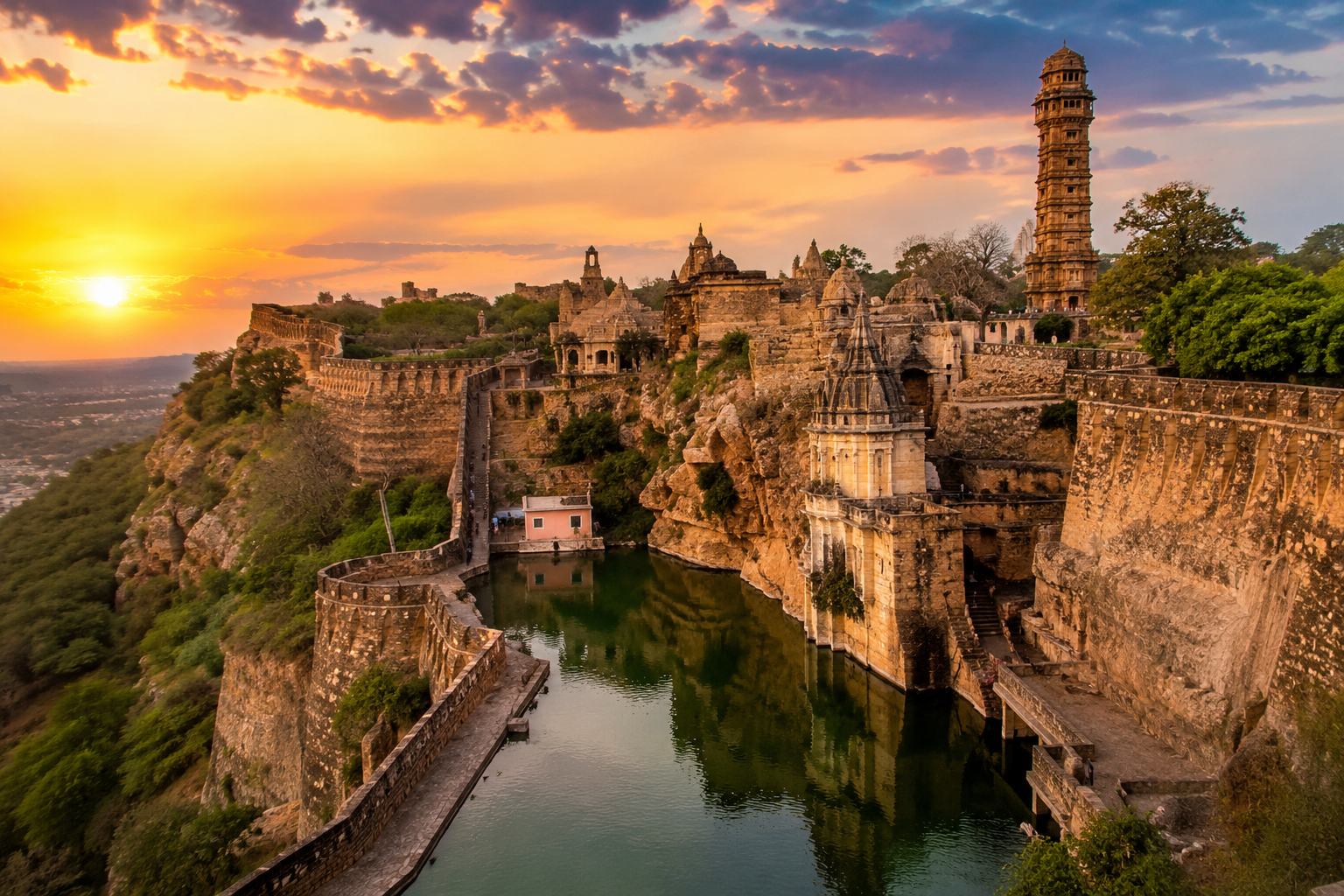
Royal Culture of Rajasthan🏜: The Timeless Heritage of Kings and Queens👑
Rajasthan is known as the Land of Kings, where every city reflects centuries of royal heritage, magnificent architecture, vibrant traditions, and colorful celebrations. From the majestic forts of Jaipur and Jodhpur to the golden deserts of Jaisalmer and the serene lakes of Udaipur, the state’s culture is a beautiful blend of bravery, honor, art, and hospitality. The legacy of the Rajput rulers continues to inspire visitors from around the world through grand palaces, traditional music, folk dances, handcrafted art, and royal customs that have been preserved for generations.
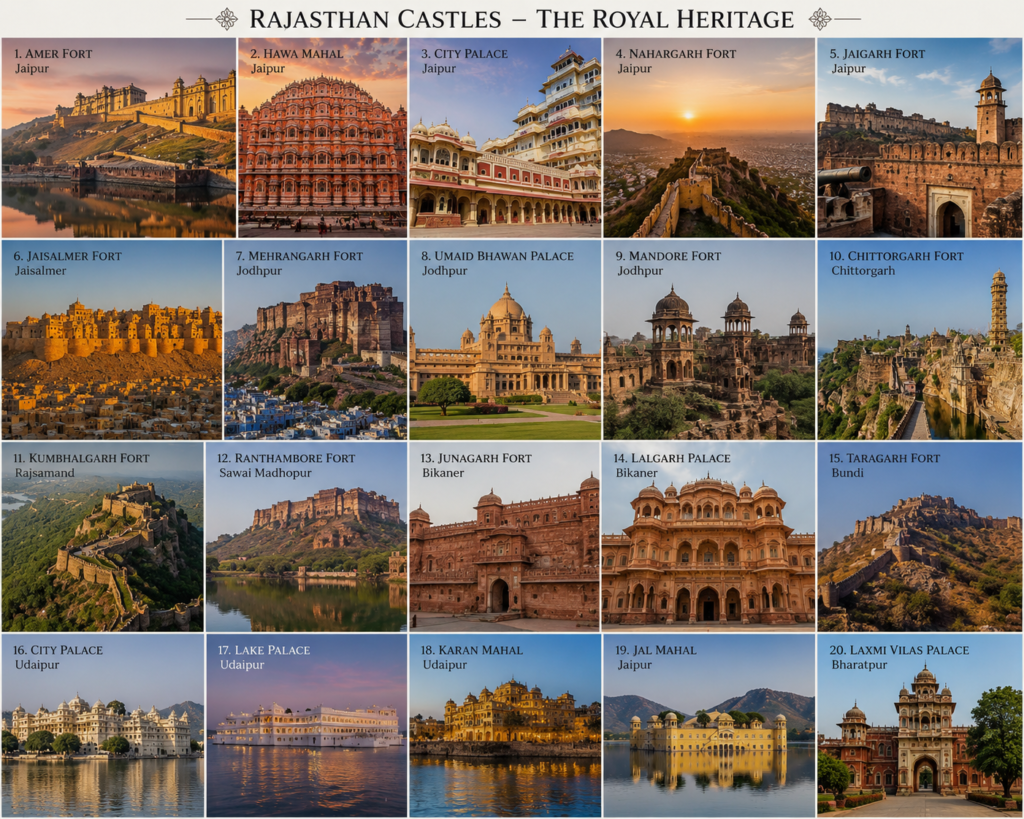
Royal Lifestyle and Traditions
The royal families of Rajasthan followed traditions that emphasized honor, bravery, and hospitality. Magnificent palaces featured grand courtyards, carved balconies, marble halls, and beautiful gardens where royal ceremonies, cultural performances, and important gatherings took place. Festivals such as Diwali, Holi, Gangaur, and Teej were celebrated with royal processions, decorated elephants and horses, folk music, and traditional dances. Even today, many heritage palaces preserve these customs, allowing visitors to experience the grandeur of Rajasthan’s royal past.
The royal culture of Rajasthan is not only a story of kings and queens but also a living heritage reflected in its clothing, architecture, music, cuisine, festivals, and warm hospitality. Every journey through Rajasthan offers a glimpse into a timeless world where history and tradition continue to thrive.
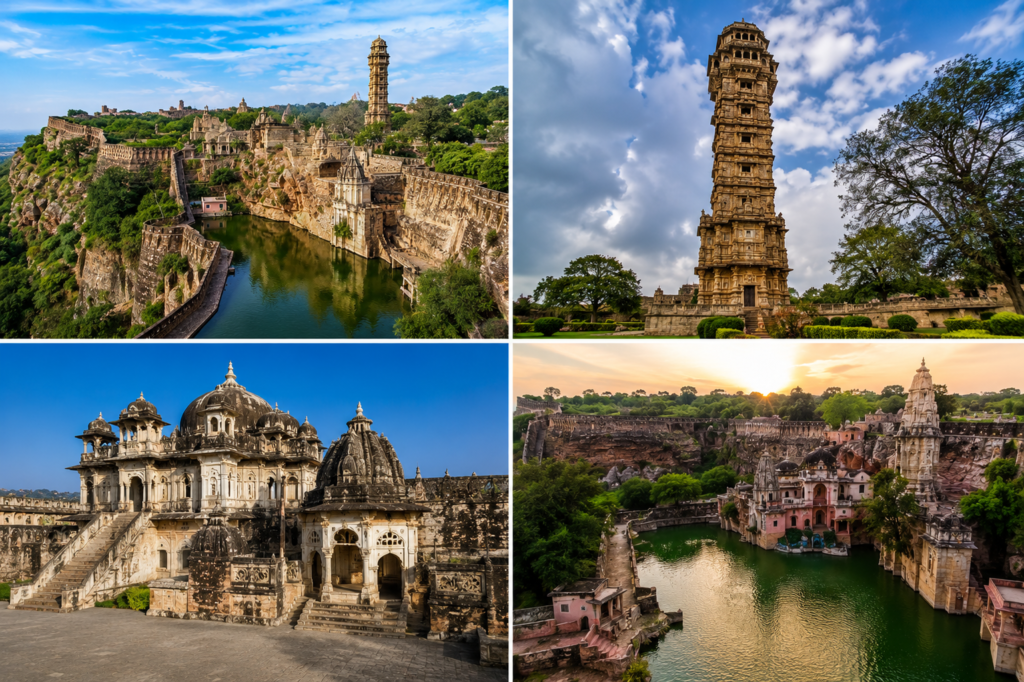
Inside Rajasthan’s Most Beautiful Palaces:
Chittorgarh Fort🏰
Located in the city of Chittorgarh in Rajasthan, Chittorgarh Fort is one of India’s largest and most historically significant hill forts. It served as the capital of the Mewar kingdom for centuries and is closely associated with Rajput valor, resistance, and cultural heritage. The fort was recognized as part of the UNESCO-listed Hill Forts of Rajasthan in 2013.
Cultural Significance
Chittorgarh Fort is often regarded as a powerful symbol of Rajput identity, courage, and sacrifice. Stories associated with figures such as Rani Padmini, Maharana Kumbha, and other rulers of Mewar have made the site a central part of Rajasthan’s cultural heritage. Its towers, gates, and palaces continue to attract historians, architects, and travelers interested in India’s medieval past.
Â
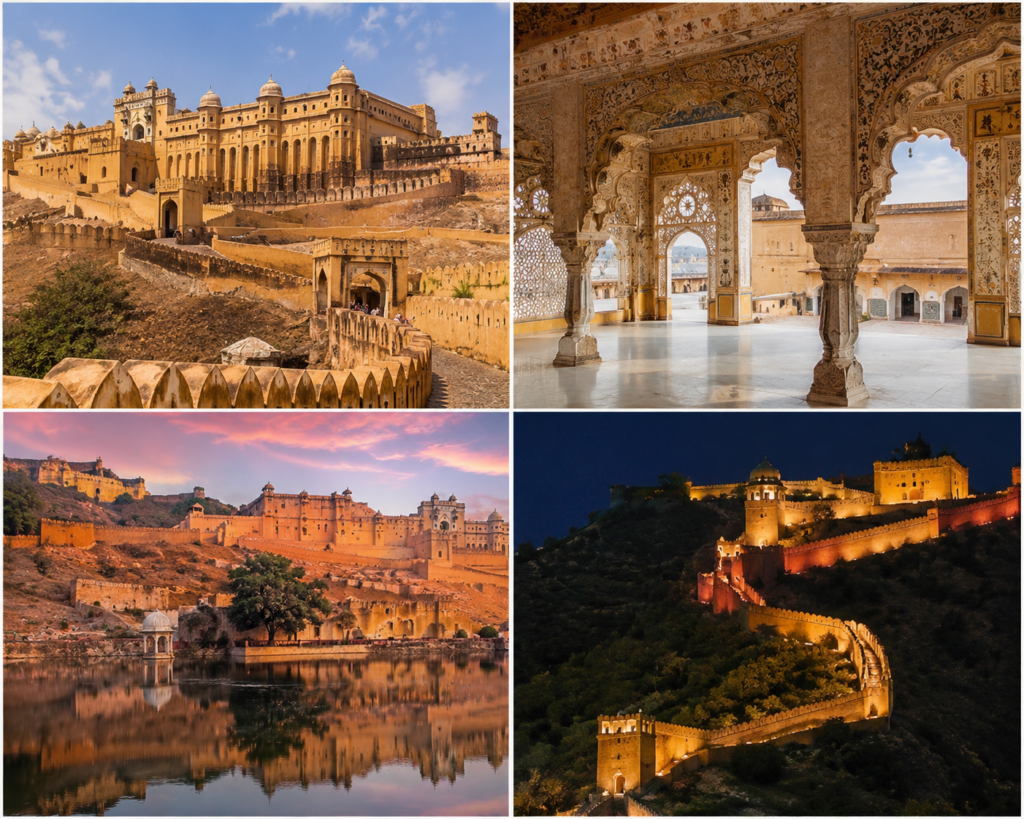
Amer Fort
Amer Fort (also called Amber Fort) is a hilltop fortress-palace complex in Amer, near Jaipur, Rajasthan, India. Built primarily under Raja Man Singh I beginning in the late 16th century, it served as the seat of the Kachwaha Rajput rulers before the capital moved to Jaipur in 1727. Today, it is one of Rajasthan’s most visited landmarks and forms part of UNESCO’s Hill Forts of Rajasthan World Heritage listing.
Sheesh Mahal and Royal Living
One of the fort’s most celebrated spaces is the Sheesh Mahal (Mirror Palace), whose walls and ceilings are covered with intricate mirror mosaics that create dazzling reflections of light. The palace complex also contains the Sukh Niwas, where flowing water was used to cool interior spaces, demonstrating sophisticated climate-control techniques centuries before modern air conditioning.
Strategic Setting
Perched on the Aravalli Hills above Maota Lake, Amer Fort combined royal luxury with military defense. The fort is connected to nearby Jaigarh Fort through a protected passage system that could be used during conflict. Its elevated position provided commanding views of the surrounding landscape while safeguarding the ruling court
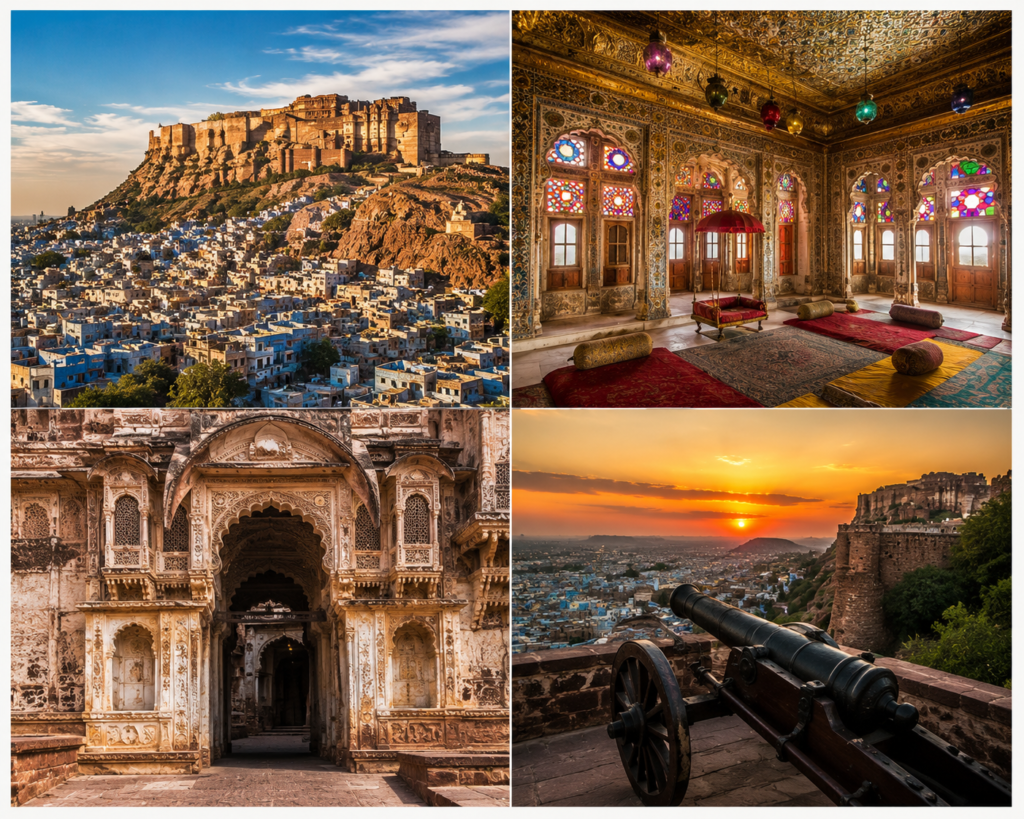
Mehrangarh Fort
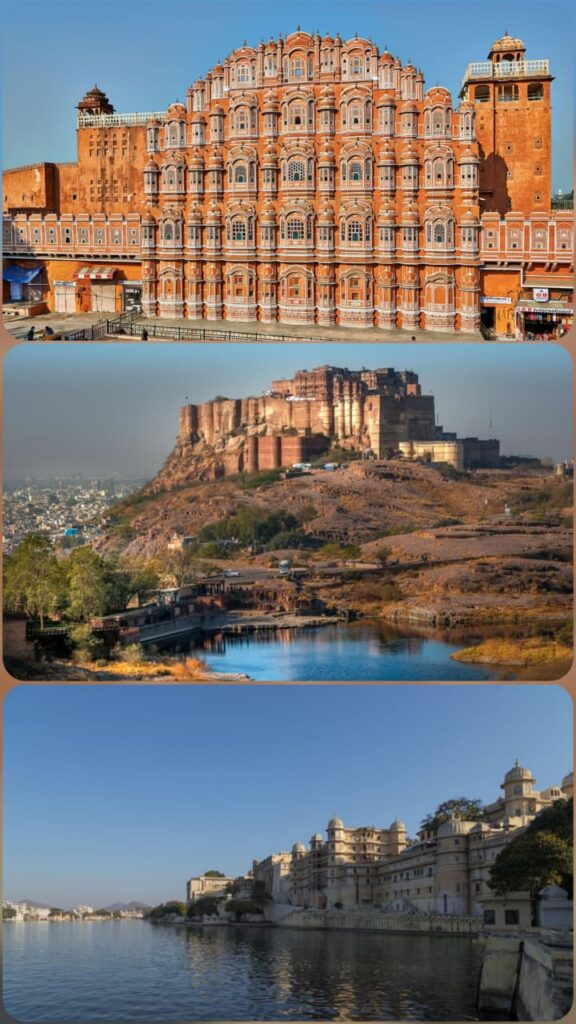
Mehrangarh Fort is a vast hilltop fortress overlooking Jodhpur in the Indian state of Rajasthan. Founded in the 15th century, it is one of India’s largest and best-preserved forts, celebrated for its imposing sandstone walls, richly decorated palaces, and sweeping views of the surrounding “Blue City.”
History
Built in 1459 by Rao Jodha after establishing Jodhpur as the capital of the Marwar kingdom, the fort expanded over several centuries under successive rulers. Its thick defensive walls, monumental gates, and elevated position made it a formidable stronghold while also serving as the royal residence of the Rathore dynasty.
Jaipur History – The Pink City of Rajasthan
Jaipur, the capital of Rajasthan, is one of India’s most beautiful and historically significant cities. Popularly known as the Pink City, Jaipur was founded in 1727 by Maharaja Sawai Jai Singh II, the visionary ruler of the Kachwaha Rajput dynasty. Before Jaipur was established, the kingdom’s capital was Amer. As the population grew and water shortages became a challenge, Maharaja Jai Singh II decided to build a new, well-planned city on the plains.
Conclusion
Jaipur is more than just the capital of Rajasthan—it is a living symbol of India’s royal heritage, architectural brilliance, and vibrant culture. From the majestic Amber Fort and the iconic Hawa Mahal to the grand City Palace and the peaceful Jal Mahal, every corner of the Pink City reflects centuries of history and tradition. Its colorful festivals, bustling bazaars, traditional crafts, and warm hospitality make Jaipur a destination that offers unforgettable experiences for every traveler. Whether you are passionate about history, fascinated by royal architecture, or simply looking to explore Rajasthan’s rich cultural heritage, Jaipur promises a journey filled with beauty, adventure, and timeless memories. A visit to the Pink City is truly a journey into the heart of Rajasthan’s royal legacy.